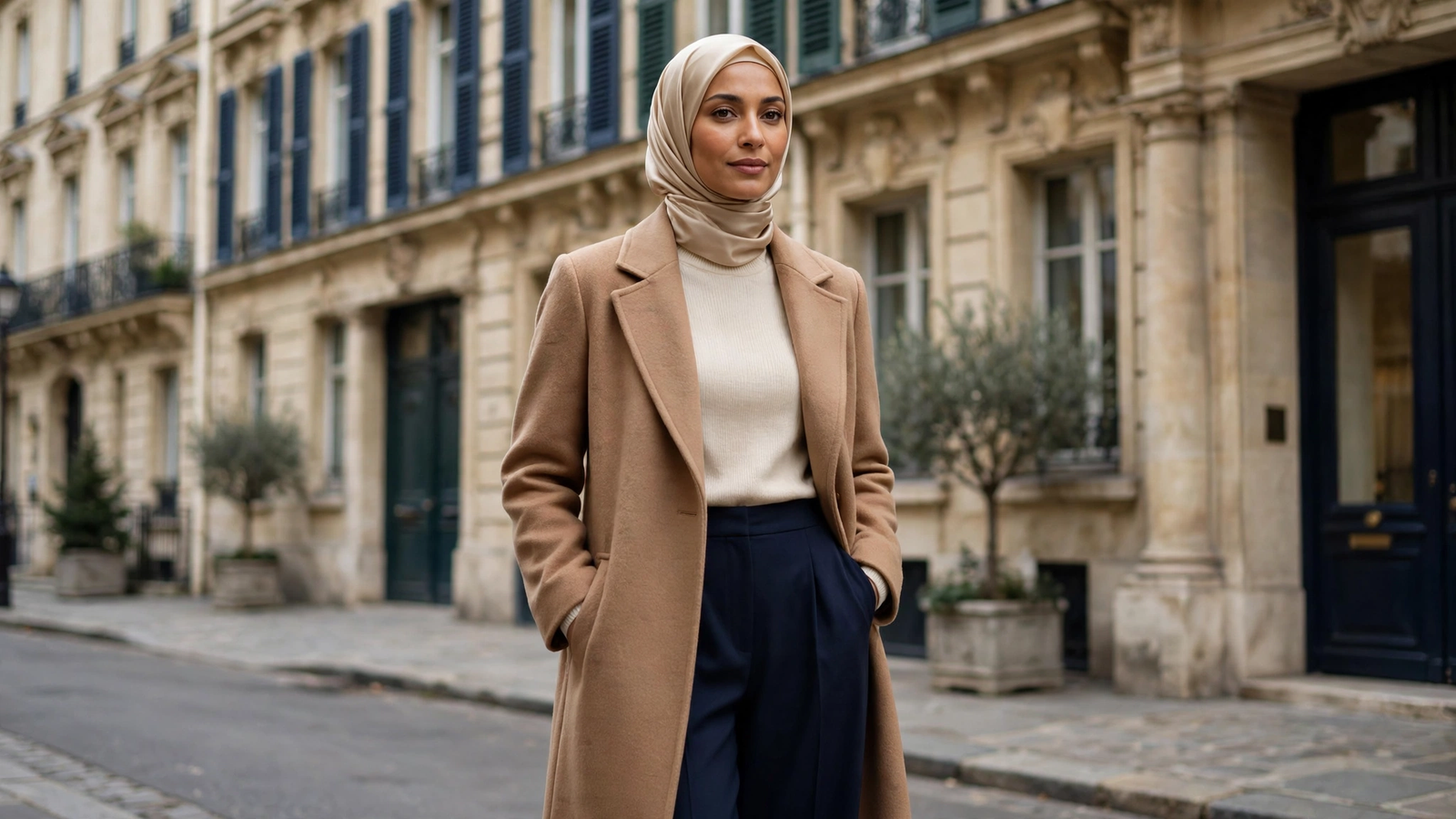
Quiet luxury is not about a trust fund — it is about restraint, fit, and intention. If you have been wondering how to dress old money on a budget modest, the answer is simpler than social media makes it seem. Timeless silhouettes, calm neutrals, and polished details create that expensive look for a fraction of the price.
As a modest dresser, you actually have a head start — the old money aesthetic already favors covered lines, structured tailoring, and understatement. This guide breaks down exactly how to build that refined wardrobe piece by piece, with thrift finds, smart fabrics, and styling tricks that cost little but look like everything.
In This Guide
Thrift Store Tailoring: Your Secret Weapon
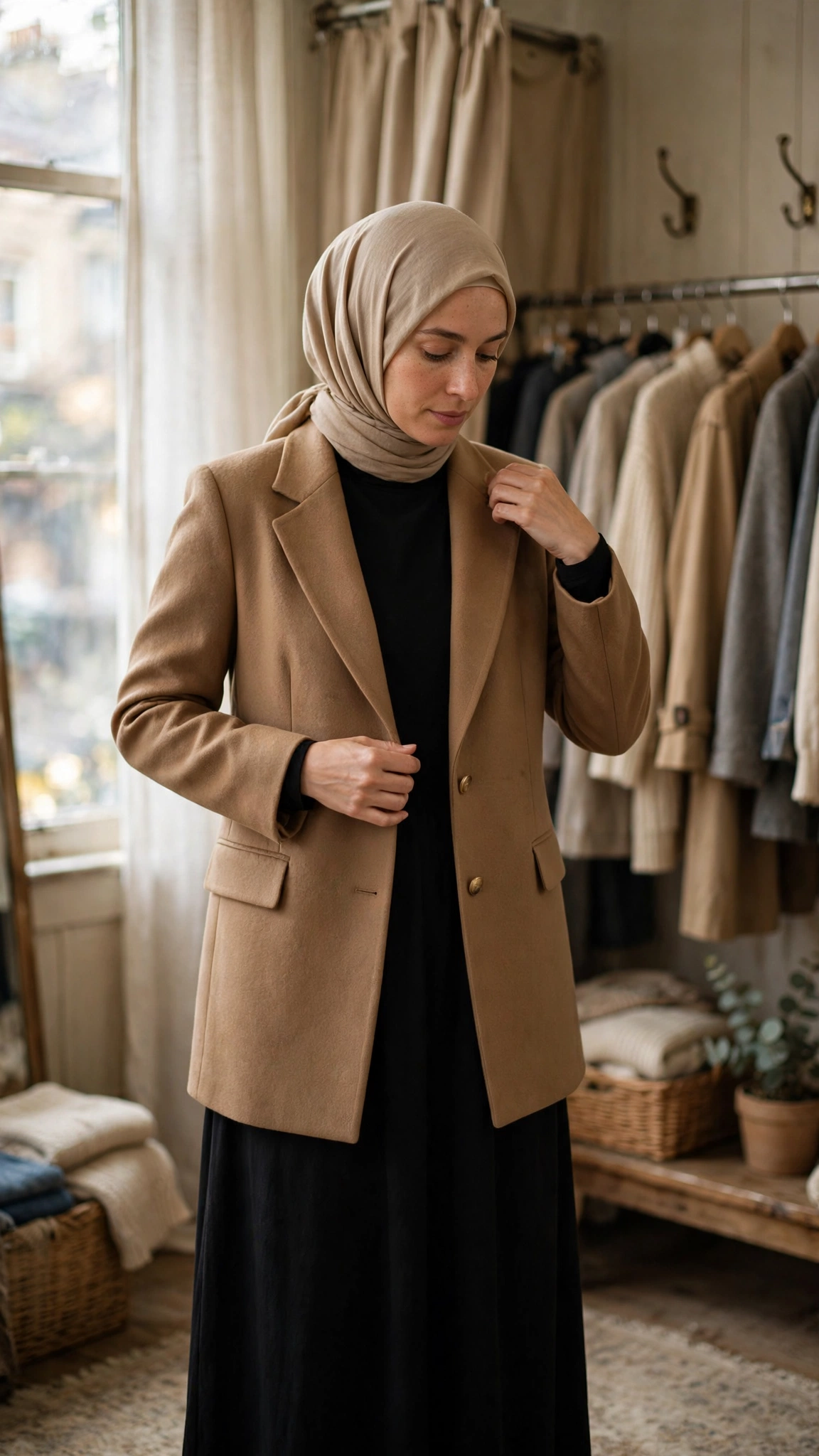
The old money look is built on structure, not labels, which makes thrift stores your single best source. Blazers, wool overcoats, trench coats, and silk blouses in camel, navy, and black land on thrift racks constantly, often from quality labels you would never pay full price for. Learn to spot construction over branding: lined jackets, horn or mother-of-pearl buttons, clean French seams, and substantial natural fabrics. Judge every piece by drape, stitching, and silhouette instead of the tag inside. A ten-dollar blazer with beautiful lines will always outclass a brand-new cheap one.
The second half of the strategy is tailoring, where learning how to dress old money on a budget modest becomes genuinely fun. Set aside eight to twenty dollars per garment for a good tailor: nipped waists, shortened sleeves, raised hems, and adjusted shoulders turn a slightly-off thrift find into something that looks custom-made. The whole aesthetic lives in the fit — nothing boxy, nothing straining, nothing sloppy. Keep a running list of pieces that need altering and bring them in batches. That small investment pays back every time you wear the garment.
Fabrics That Look Expensive for Less
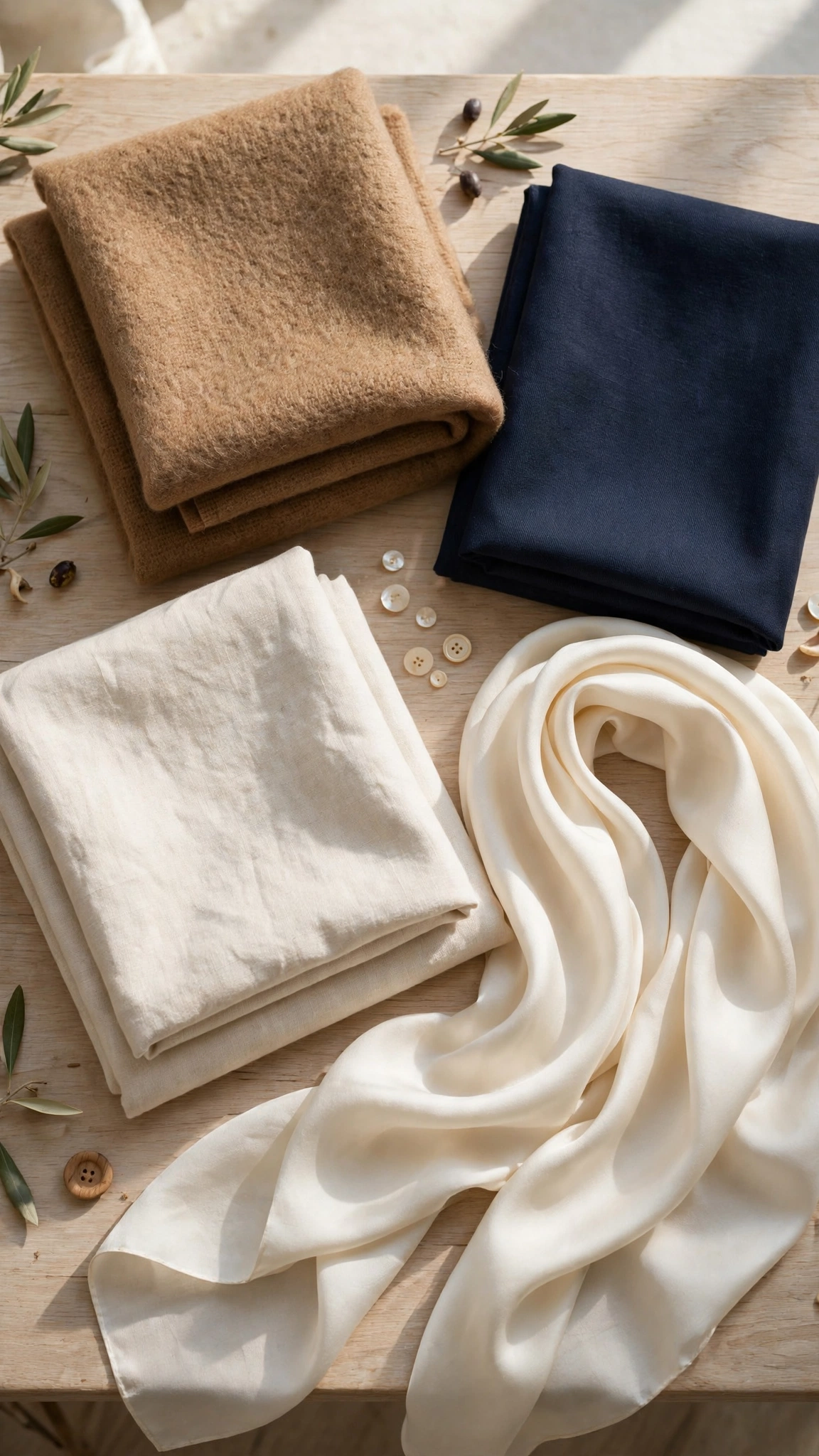
Fabric separates a fifty-dollar look from a five-dollar one, even in the same cut. Natural and natural-blend fabrics — wool, cotton, linen, silk, and viscose — drape better, breathe better, and age far more gracefully than polyester. Always check the content label before buying: a wool-blend blazer or cotton-twill trouser from a thrift rack will read expensive for years, while a thin synthetic pills and shines after three washes. Corduroy, tweed, cashmere blends, and heavy crepe are your allies. If a fabric looks plasticky under store lighting, it will look plasticky in daylight too.
Shopping for fabric on a budget means knowing where quality hides. Thrift stores hide wool coats and cashmere-blend knits that cost a fortune new; estate sales and consignment shops carry silk scarves and lined blazers. At retailers, hunt the natural-fiber pieces hiding among the synthetics — a linen-blend shirt or cotton midi skirt often costs the same as its polyester twin. Then protect your investment: use a fabric shaver to de-pill knits, steam delicates instead of ironing, and fold heavy sweaters rather than hanging them. Good fabric, well kept, looks rich.
The Neutral Palette Formula
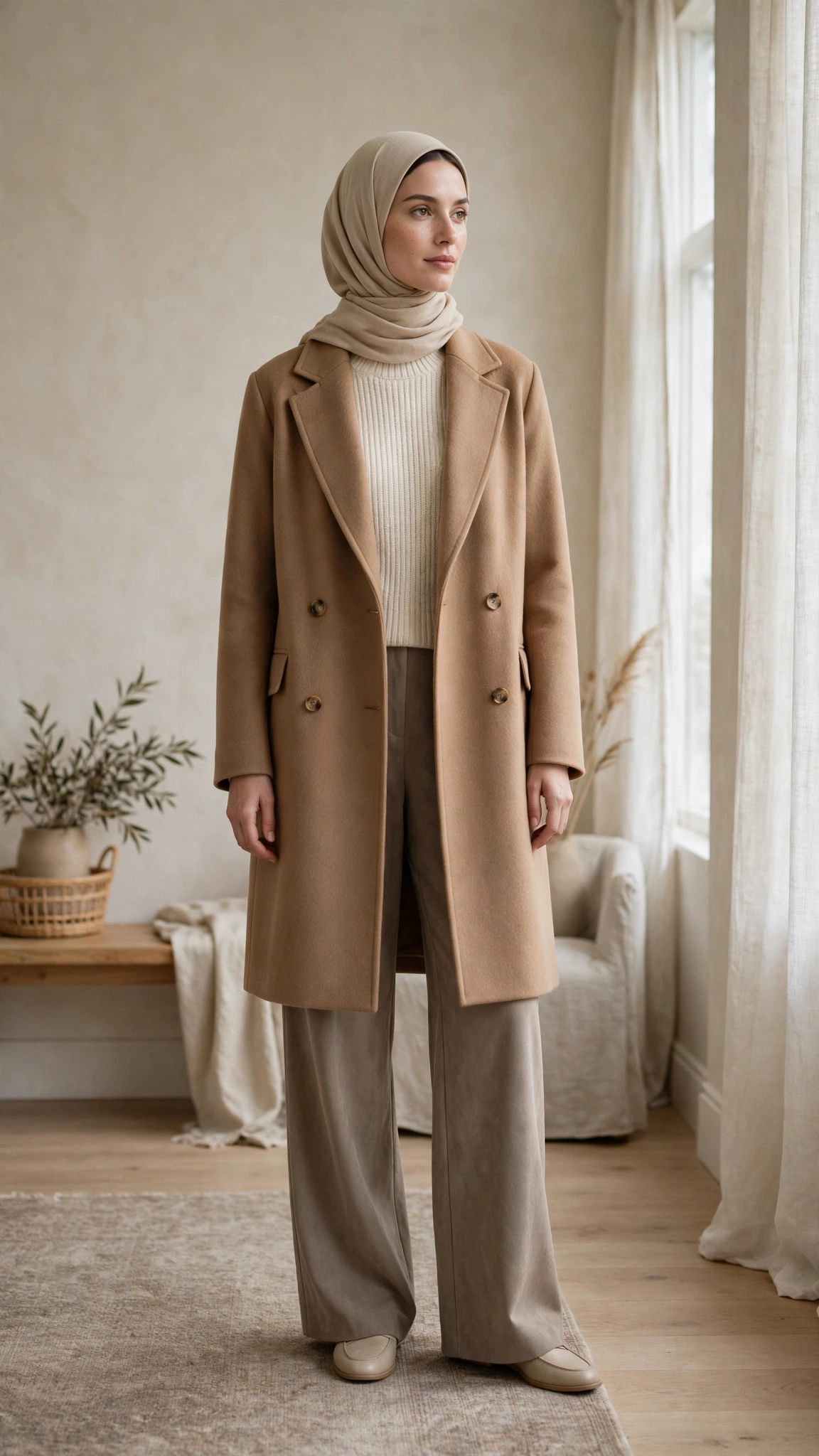
The old money wardrobe runs on neutrals: camel, cream, ivory, navy, charcoal, black, taupe, and soft gray. This is not boring — it is mathematics. When nearly everything you own shares an undertone family, every top matches every bottom and every layer works over every dress. Aim for roughly eighty percent neutrals, and your closet starts dressing itself. Neutrals also photograph beautifully and never scream for attention, — exactly the quiet part of quiet luxury. A camel coat over a cream sweater with navy trousers looks considered without a single logo in sight.
Once the neutral base is set, add one or two accent colors and stop there. Deep burgundy, forest green, dusty olive, or chocolate brown read rich without breaking the calm — wear them in a scarf, a knit, or a handbag. For hijabis, this formula is especially powerful: keep hijabs in your neutral family so they melt into the outfit, and let one accent piece do the talking. Avoid neon, busy prints, and clashing brights. Restraint is the whole game; a limited palette makes even a twenty-dollar outfit look expensively composed.
Accessories That Elevate Everything
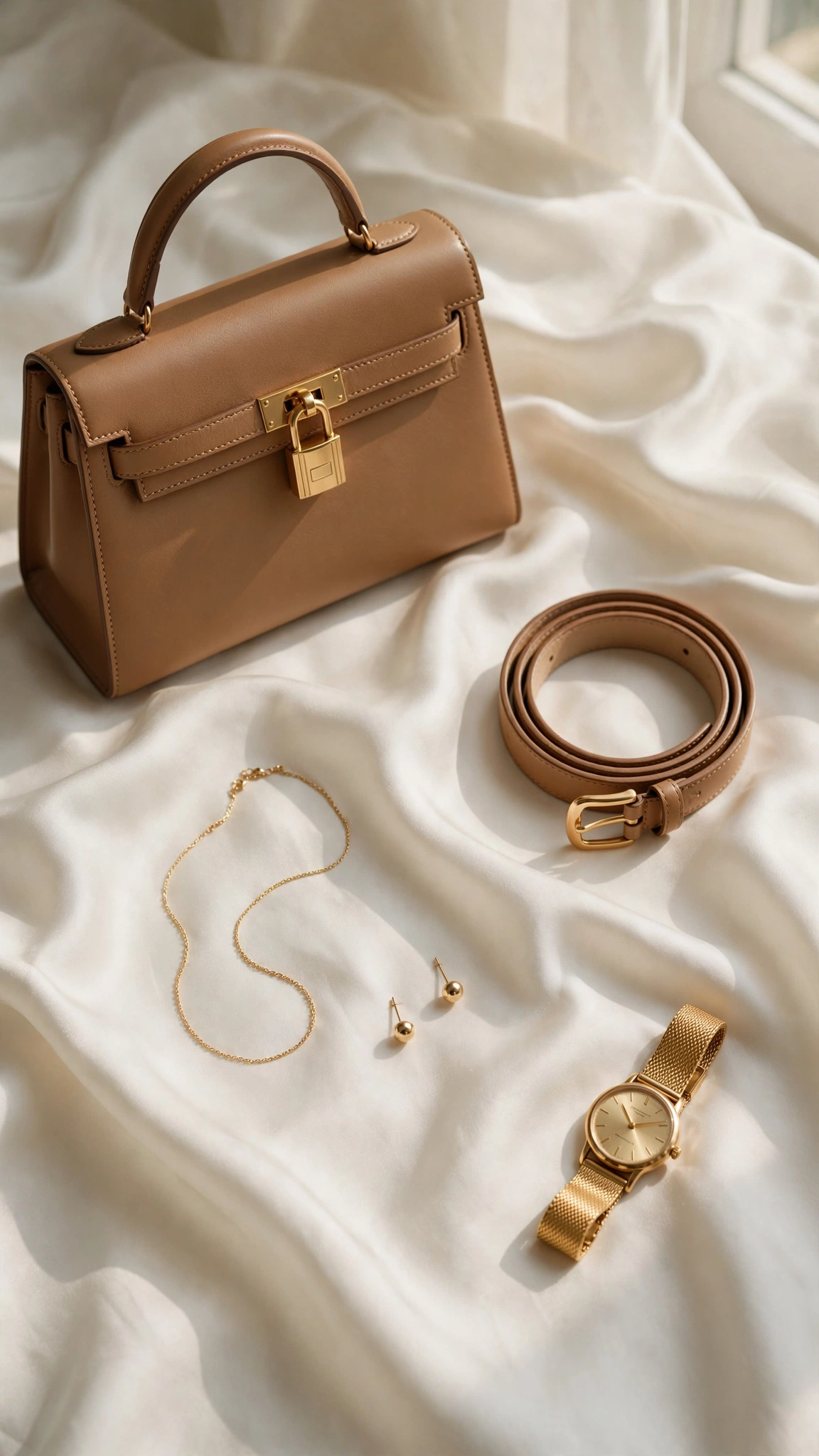
Accessories are the fastest way to look expensive on a small budget because the eye reads them as the finish. A structured handbag in black or tan, a leather belt, gold-tone studs, a chain, and a classic watch elevate plain basics instantly. For modest dressers, a silk or satin scarf does double duty as hijab and statement piece — choose solid neutrals with a beautiful drape. The rule is fewer, better pieces: one polished bag beats three trendy ones, and quiet hardware beats loud logos. Keep everything minimal, cohesive, and in your neutral palette.
You do not need designer prices to get this right. Thrift stores and vintage shops are full of quality leather belts, structured bags, and gold-tone jewelry for a few dollars — look for real leather, solid hardware, and stitching. Minimalist studs and thin chains cost little new and never date. Keep a lidded box for your everyday set so pieces stay untangled and ready. Polish hardware with a soft cloth, condition leather twice a year, and store bags stuffed so they hold their shape. Cared-for accessories look far more expensive than neglected designer ones.
Where to Shop Old Money on a Budget
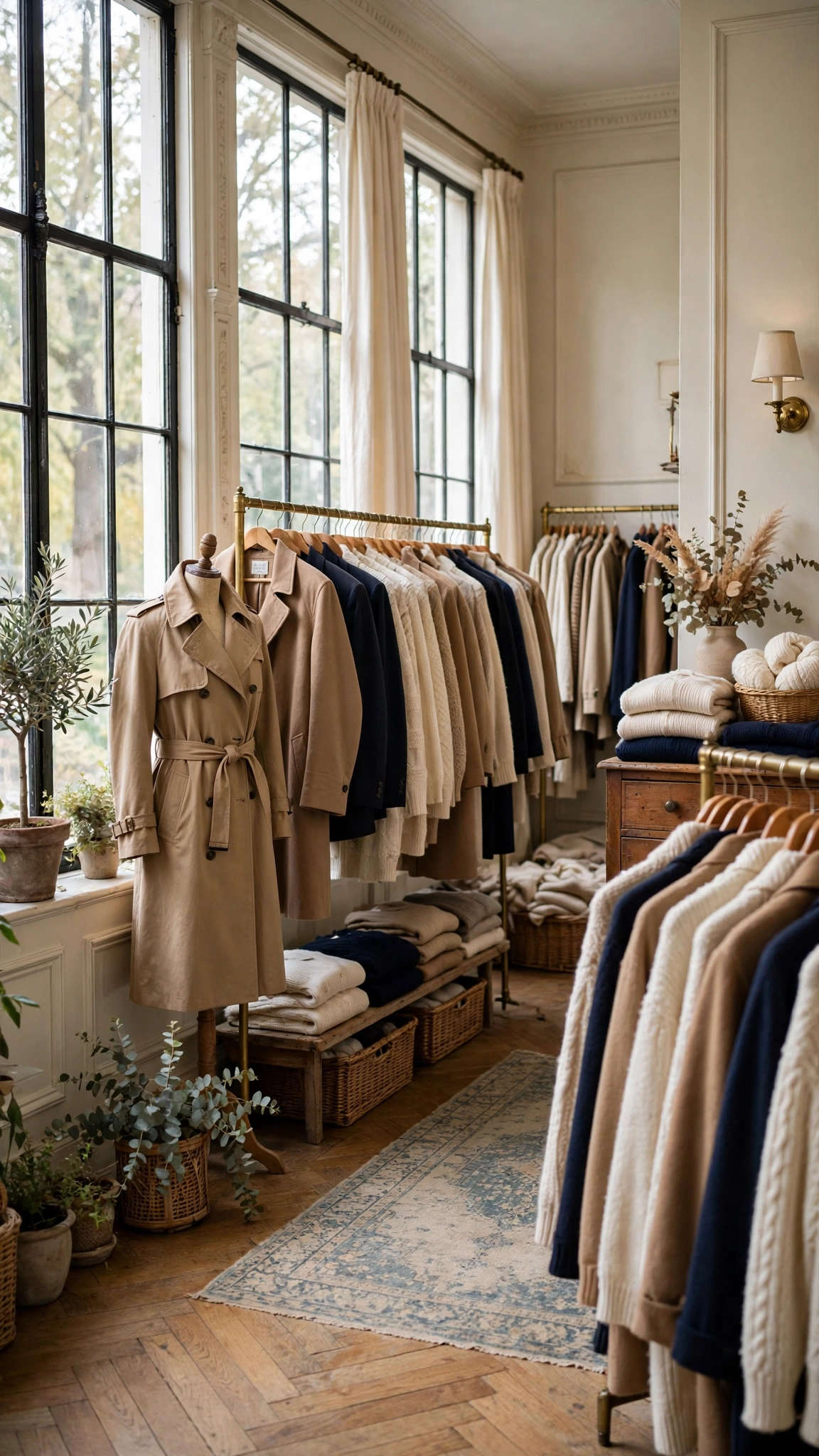
Knowing where to hunt matters as much as what to buy. Thrift and consignment stores are first for coats, blazers, and silk; end-of-season sales are where you grab wool and cashmere at half price; department-store outlets carry classic cuts year-round. Online resale marketplaces are excellent for specific searches like a camel trench in your size. The smartest approach to how to dress old money on a budget modest is seasonal: buy coats in spring, linen in autumn, and boots in summer, when demand — and prices — are lowest. Patience is a shopping strategy.
Whatever the source, shop with a cost-per-wear mindset instead of chasing price tags. A forty-dollar wool coat worn one hundred times costs less per wear than a fifteen-dollar trendy top worn twice. Before buying, ask three questions: does it fit my palette, match three things I own, and will I like it in three years. If the answer to any is no, walk away — discipline is what keeps a budget wardrobe looking curated instead of cluttered. Keep a short wishlist on your phone and buy only from it. That habit prevents most impulse purchases.
The Power of a Perfect Fit
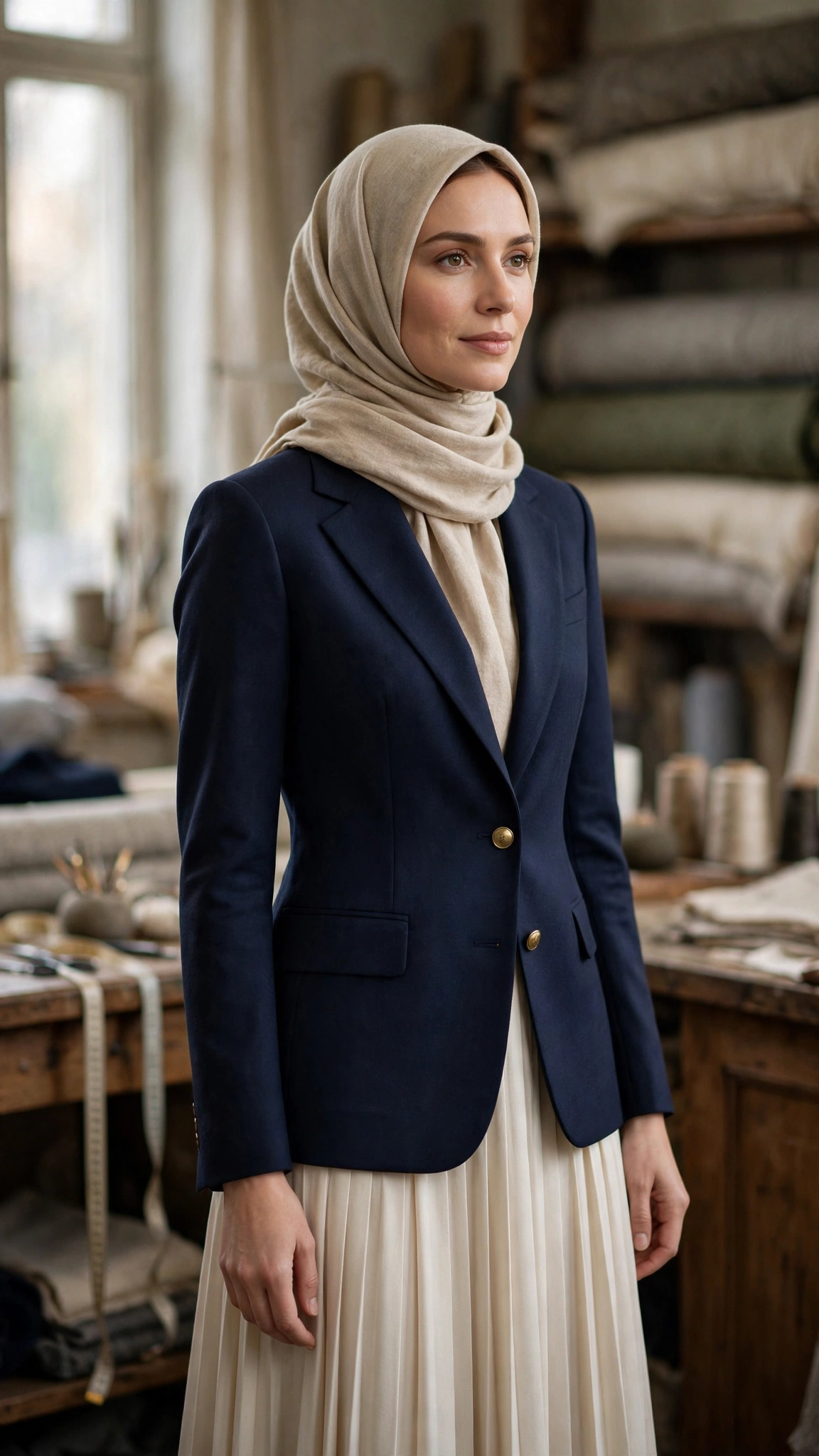
Fit is the old money aesthetic in one word — it makes inexpensive clothes look considered and expensive ones look sloppy. Shoulders should sit on the shoulder bone, sleeves should end at the wrist, waistlines should be defined rather than swimming, and hems should fall cleanly. For modest dressers this matters doubly: covered silhouettes need structure to avoid looking shapeless, so choose seaming, darts, or a belt over a shapeless sack. Try everything on, move around in the fitting room, and sit down — if it pulls, gaps, or bunches, it is not your size.
When something is almost right, a tailor finishes the job — hemming trousers, tapering sleeves, and taking in waists are cheap alterations. Modest-specific fixes are as easy: lengthen a sleeve, add a snap to a gaping neckline, or line a hem so nothing shows through. Master proportions too: pair wide-leg trousers with a fitted knit, a voluminous skirt with a tucked blouse, and long layers with a defined waist. One fitted element plus one flowing element keeps covered outfits balanced. Never let fabric drown you — structure is what separates modest from matronly.
Quiet Luxury Grooming Habits
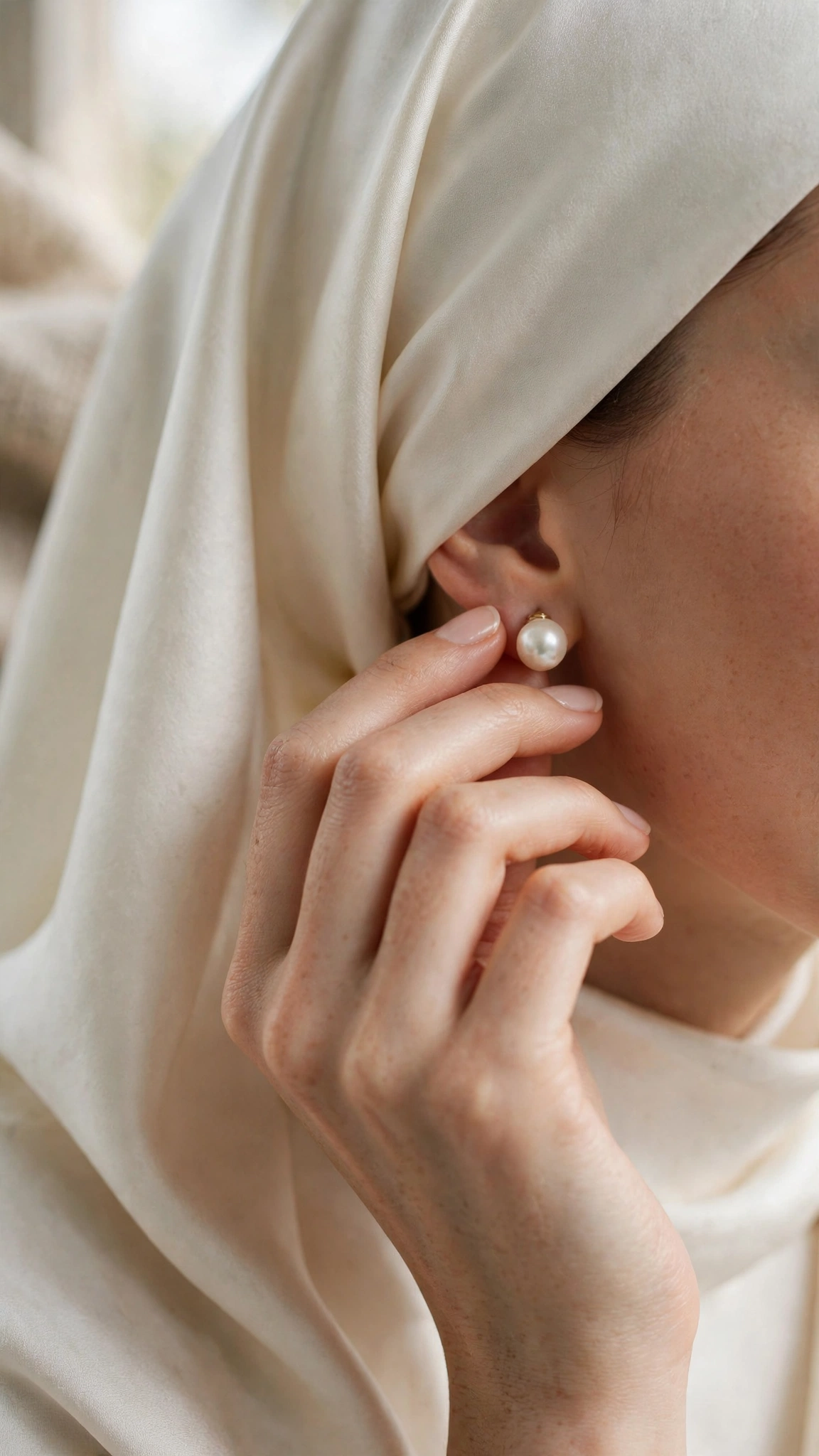
Nothing says old money like quiet grooming, and it costs almost nothing. Keep nails short, clean, and polished in a nude or red; keep brows neat and natural; choose minimal makeup with an even base, groomed lashes, and a neutral lip. Under a hijab, hair matters — keep it clean and conditioned, secured so no frizz escapes at the edges. Iron or steam every outfit, run a lint roller over dark fabrics, and check for threads before leaving. Polish is invisible when it is right and glaring when it is missing, so make it routine.
Build a grooming kit and the habit becomes effortless. A nail file, neutral polish, tweezers, a lint roller, a handheld steamer, and a shoe-polish kit cover nearly everything for little money. Affordable pharmacy staples handle skincare — a gentle cleanser, moisturizer, and sunscreen are all you need for a healthy base. Scent matters too: one clean, subtle fragrance worn consistently reads far more expensive than a shelf of loud perfumes. Keep a travel toothbrush and blotting papers in your bag for midday refreshes. These tiny rituals compound into the polished ease that defines the aesthetic.
Building a Capsule the Old Money Way
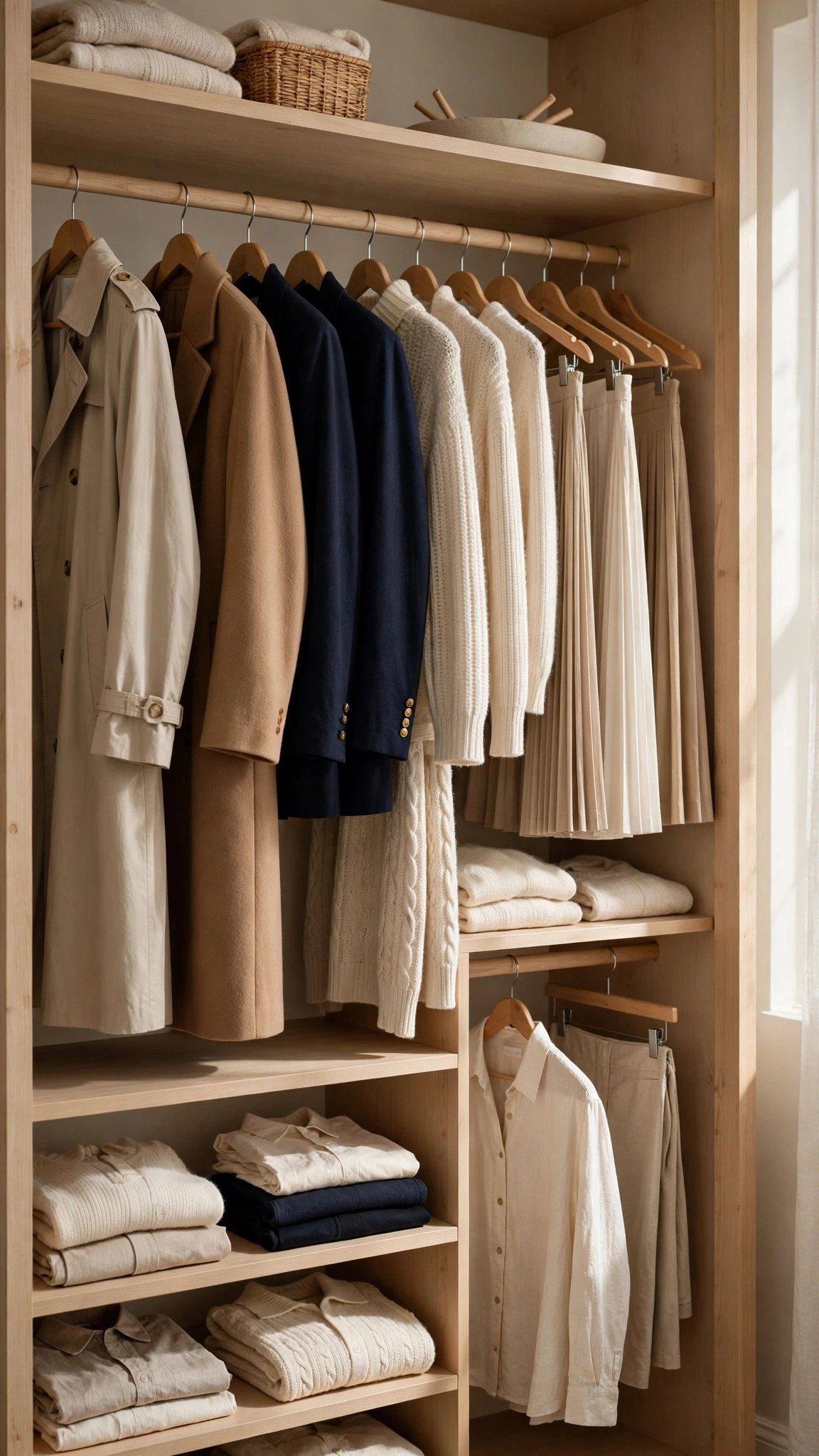
A capsule wardrobe is the old money method made systematic: a tight edit of pieces that all work together, so getting dressed takes minutes. Aim for twenty to twenty-five pieces excluding undergarments and workout wear — roughly six tops, four bottoms, four layering pieces, three dresses, two pairs of shoes, and a handful of accessories. Every item must earn its place by pairing with at least three others. This constraint forces quality over quantity and ends the closet-full-of-nothing problem. Fewer, better pieces worn on rotation look more refined than a stuffed rail of impulse buys.
Build the capsule gradually — that is the budget-friendly secret. Start with what you own, identify the gaps, and add one piece per paycheck, prioritizing the key items first: a camel coat, a navy blazer, black wide-leg trousers, a cream knit. Each addition should unlock multiple new outfits. This slow-build approach is exactly how to dress old money on a budget modest without debt or stress. Review the capsule each season, replace worn pieces with better versions, and resist trend drops. A wardrobe built this way looks intentional because it is.
Modest Pieces That Read Expensive
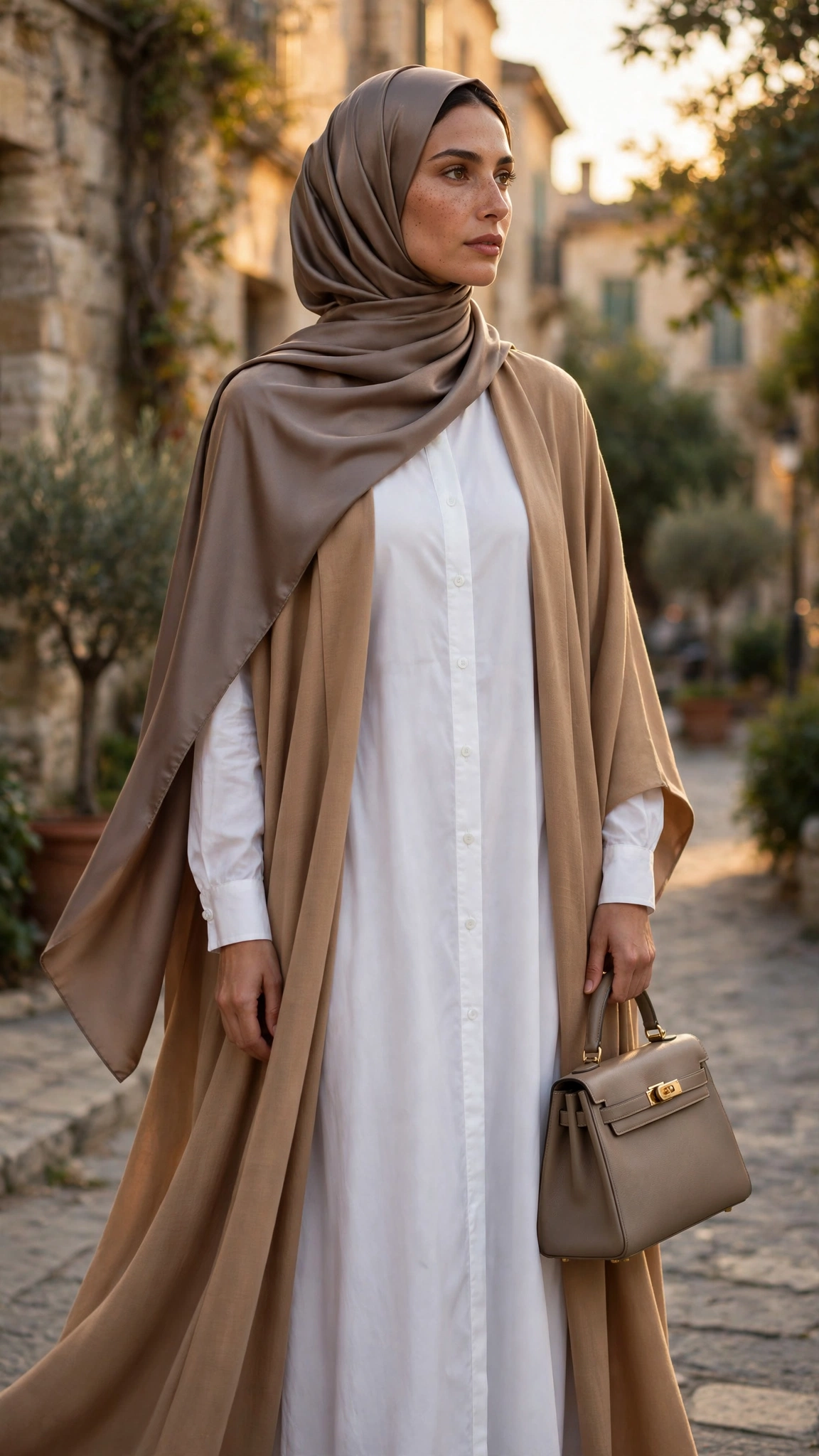
Certain modest staples carry old money energy almost automatically. A crisp maxi shirt dress, a pleated midi skirt, high-waisted wide-leg trousers, and a fine-gauge turtleneck layered under a sleeveless dress all read refined without trying. A structured abaya or long open cardigan in camel, black, or navy works as outerwear over everything. Look for clean lines, matte fabrics, and minimal detailing — no ruffles, no loud prints, no fussy trims. These silhouettes skim rather than cling, which is both modest and unmistakably elegant. Long, clean lines are the visual shorthand for wealth.
Finish with hijab styling that matches the mood: smooth silk, satin, or premium chiffon in your neutral palette, draped neatly with clean folds. A well-secured underscarf keeps everything in place and prevents slipping throughout the day. Avoid busy patterns and neon brights — they fight the quiet aesthetic. Instead, let texture do the work: a subtle ribbed knit hijab or a soft wool wrap in winter looks deeply luxurious. Match your hijab’s undertone to your outfit, keep pins hidden, and let the overall effect be calm and composed. Understated always wins.
Old Money on a Budget: Your Simple Shopping Checklist
Before you buy anything new, it helps to have a clear plan. Dressing old money on a budget works best when every purchase earns its place in your wardrobe, so use this checklist each time you shop.
- Check the fabric label first. Wool, cashmere, cotton, linen and silk look richer and last longer than synthetic blends.
- Prioritise fit over brand. A thrifted coat tailored to your shoulders looks more expensive than a designer piece that does not fit.
- Stay in a neutral palette. Camel, navy, ivory, grey and chocolate brown mix effortlessly and make a small wardrobe feel bigger.
- Choose modest silhouettes. Midi and maxi skirts, wide-leg trousers and longline blazers keep the look covered and polished.
- Finish with a quality hijab. A silk or modal hijab in a soft neutral instantly elevates even the simplest outfit.
Following these rules makes old money on a budget feel effortless rather than restrictive. You will spend less, shop less often and build a wardrobe that looks considered from every angle.
How to Maintain an Old Money Wardrobe on a Budget
The secret behind an old money on a budget wardrobe is care. Brush wool coats after wearing, store knitwear folded rather than hung, use cedar blocks to protect against moths, and polish leather shoes regularly. Small habits like these keep thrifted and second-hand pieces looking expensive for years.
Finally, remember that quiet luxury is about confidence as much as clothing. Old money on a budget is not about pretending to be wealthy — it is about choosing timeless pieces, caring for them well and wearing them with ease.
4 Old Money on a Budget Outfit Formulas to Copy
If you are not sure where to start, these four outfit formulas use affordable, easy-to-find pieces. Each one shows how old money on a budget can look polished, modest and completely wearable in everyday life.
1. The Weekend Brunch Formula
Pair a cream cable-knit jumper with a camel pleated midi skirt, tan leather loafers and an ivory modal hijab. Add small gold stud earrings and a structured tote. Every piece here can be found second-hand, yet together they read as calm, considered and quietly luxurious.
2. The Office Day Formula
Start with navy wide-leg trousers and a crisp white button-down shirt. Layer a longline grey blazer on top and finish with a soft grey or navy hijab and simple black flats. Tailoring is the hero here — a quick hem or sleeve adjustment makes budget pieces look custom-made.
3. The Family Dinner Formula
Choose a chocolate-brown knit maxi dress, add a thin leather belt at the waist and throw a camel wool coat over your shoulders. A blush or beige silk hijab softens the look. This is old money on a budget at its best: rich colour, natural texture and very few pieces.
4. The Errands Formula
Combine straight-leg dark denim with a long navy cardigan, a striped Breton top and clean white leather trainers. Finish with a navy jersey hijab and a simple watch. It is relaxed, practical and still looks put-together when you run into someone you know.
Once you have these formulas in your wardrobe, mix and swap pieces between them. That is the real secret of a capsule-style wardrobe: fewer purchases, more outfits and a consistent, elegant look every single day.
Frequently Asked Questions About Old Money on a Budget
How can I dress old money on a budget?
Focus on fit and fabric: thrift natural fibres, invest in tailoring, choose a neutral palette and keep accessories minimal. A well-fitted coat does more than a designer logo.
Where can I find old money pieces on a budget?
Thrift stores, consignment shops and end-of-season sales are great for wool coats, silk scarves and leather loafers at a fraction of the price.
How do I keep the old money look modest on a budget?
Choose midi and maxi skirts, wide-leg trousers, longline blazers and silk or modal hijabs in neutral tones for a polished, covered look.
Final Thoughts
Dressing old money on a budget is all about quality basics, smart thrifting and timeless modest styling. For more inspiration, browse our Old Money Modest Style collection, and don’t miss old money fall outfits and modest winter layering tips. You can also read more about old money. Save your favourite look to Pinterest so it’s ready when you need it!
One Response